- Cart
- |
- Personal Center
- |
info@idealphotonics.com



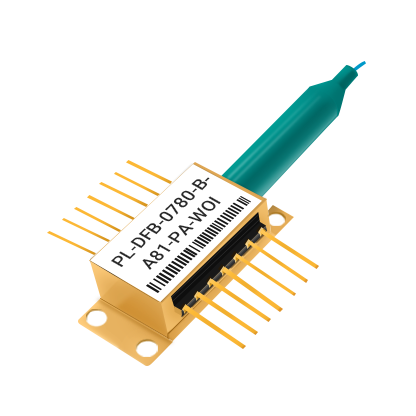
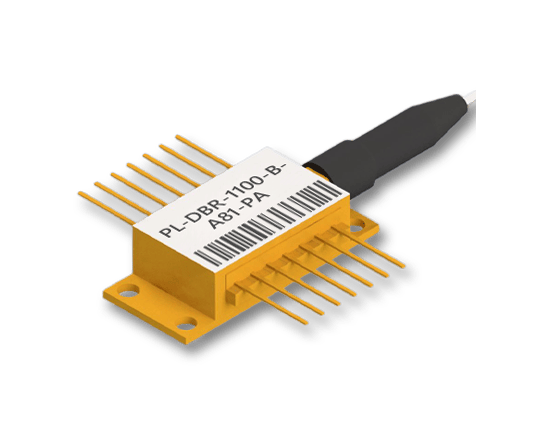
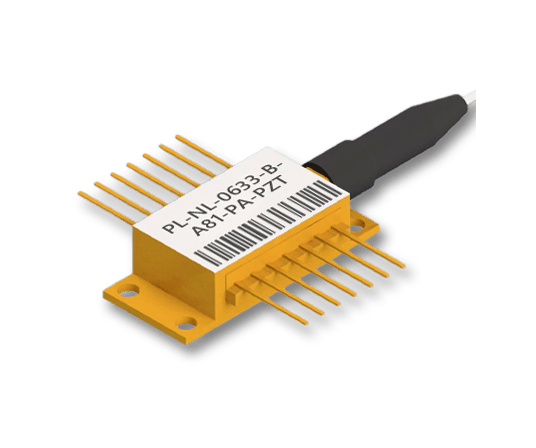
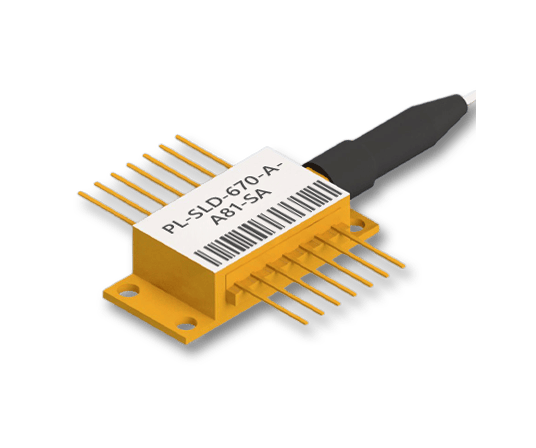
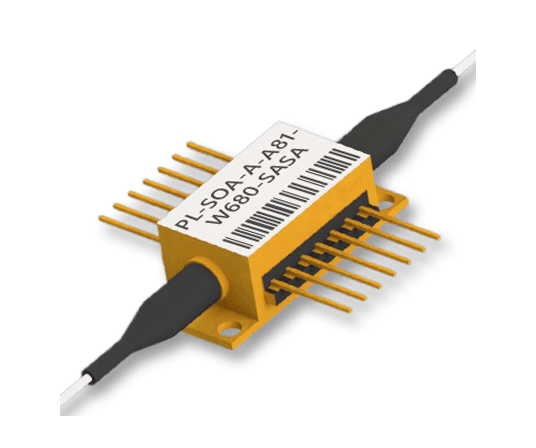
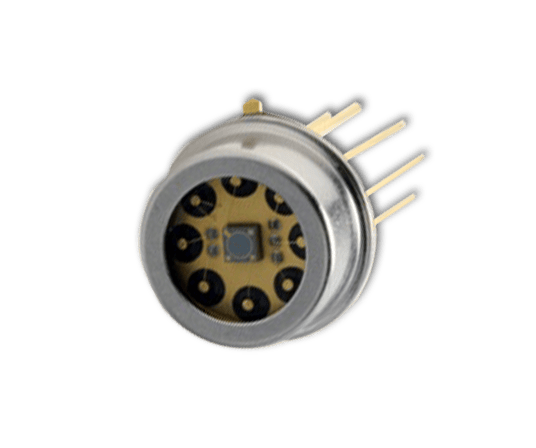


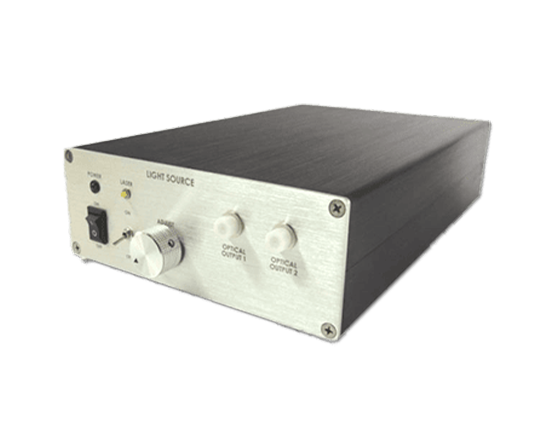

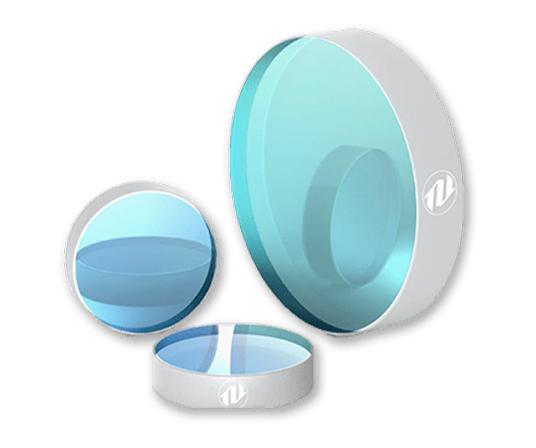
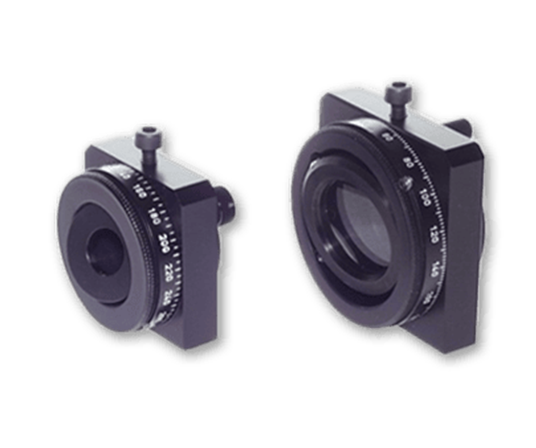
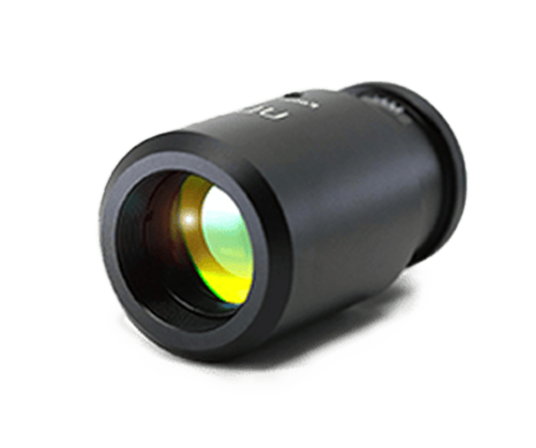
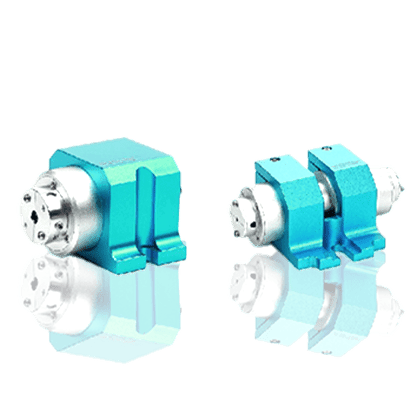
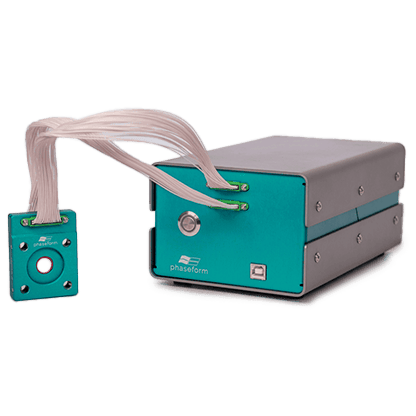






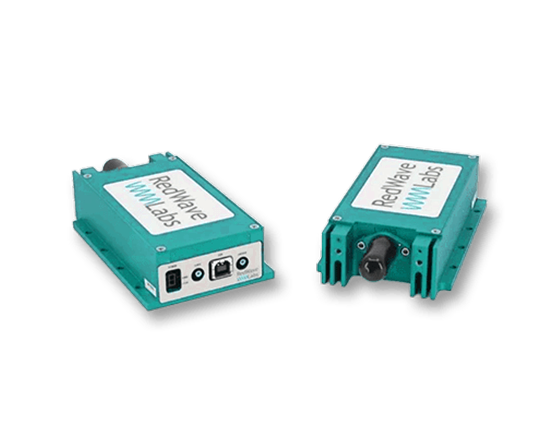


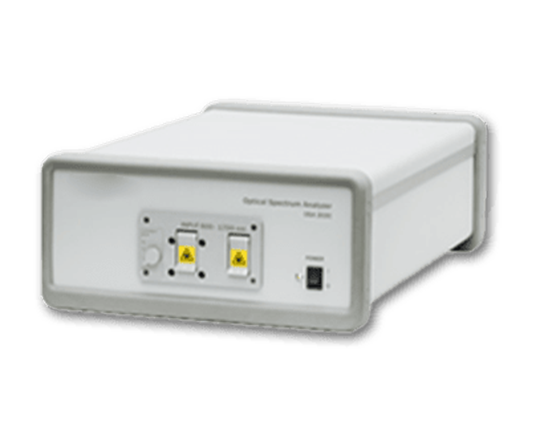
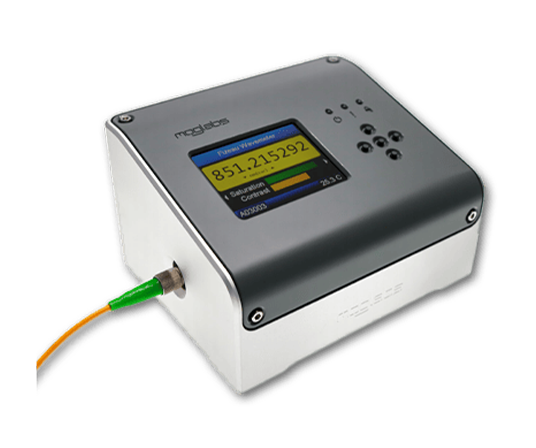

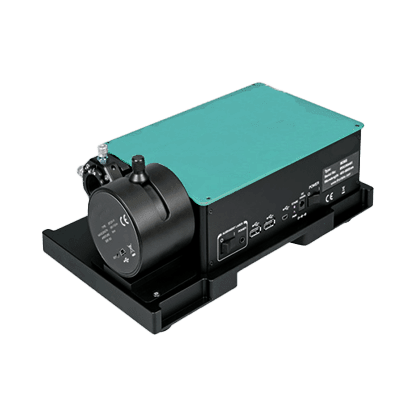
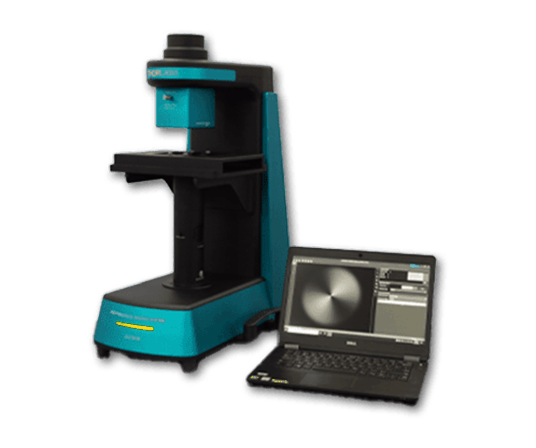
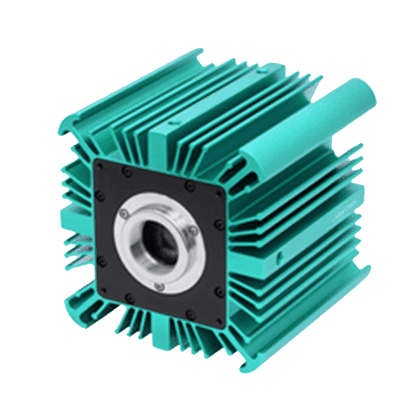
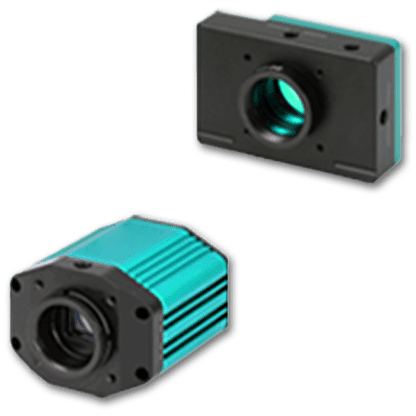

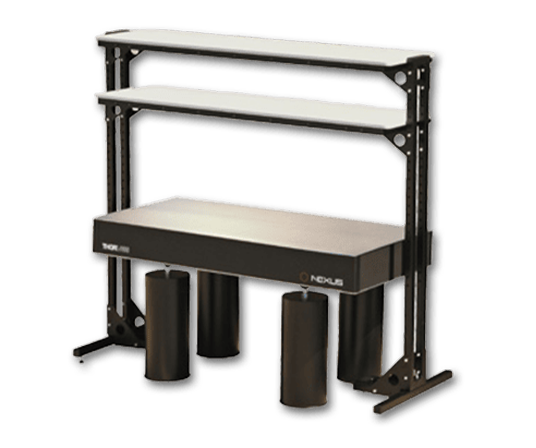



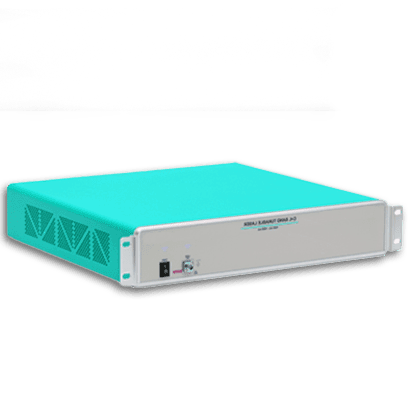
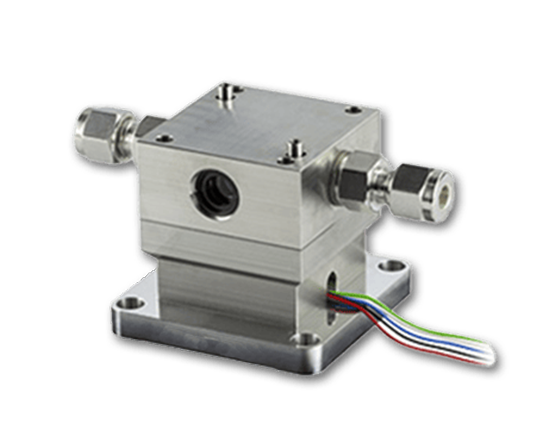
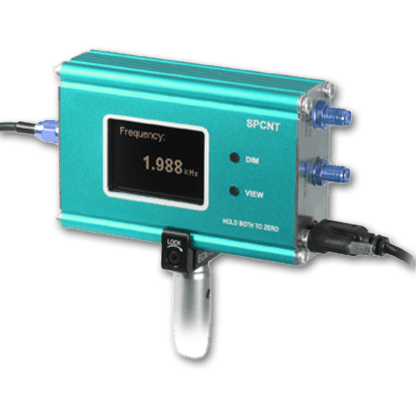
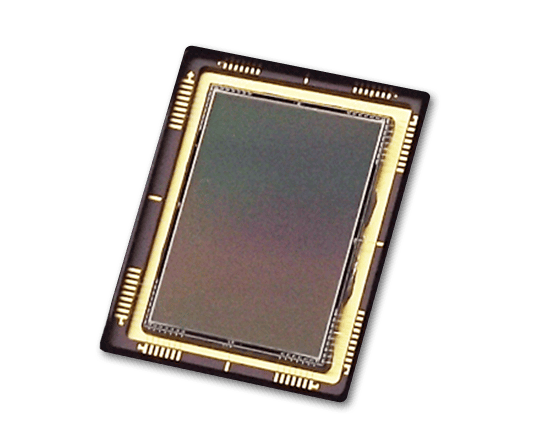
TDLAS scheme
 Account Manager
Name:Daisy
Phone:+86 18602170419
Email:moli@microphotons.com
WeChat:
Near infrared TDLAS NH3 (ammonia) ppm concentration analysis system 1512nm
TDLAS (Tunable Diode Laser Absorption Spectroscopy) is a new gas detection method developed by combining a diode laser with a long path absorption cell, which uses laser wavelength modulation to pass through the characteristic absorption region of the measured gas. The spectrum of the semiconductor laser source used in TDLAS technology has a width much smaller than the broadening of gas absorption lines, resulting in a single line absorption spectrum. Therefore, TDLAS technology is a high-resolution absorption spectroscopy technique. Ammonia: NH3 is a colorless gas with a strong pungent odor, lighter than air. This gas usually comes from concrete admixtures used in construction and additives and whitening agents in interior decoration materials. Long term exposure to ammonia can burn the skin, eyes, and mucous membranes of respiratory organs. If a person inhales too much ammonia, it can cause lung swelling and even death.
Product InformationModel Operate
Near infrared TDLAS NH3 (ammonia) ppm level concentration analysis system (1512nm)
Add to Cart
0 Selected Items Add to Cart
Near infrared TDLAS CH4 (methane) ppb level concentration analysis system 1653.73nm
TDLAS (Tunable Diode Laser Absorption Spectroscopy) is a new gas detection method developed by combining a diode laser with a long path absorption cell, which uses laser wavelength modulation to pass through the characteristic absorption region of the measured gas. The spectrum of the semiconductor laser source used in TDLAS technology has a width much smaller than the broadening of gas absorption lines, resulting in a single line absorption spectrum. Therefore, TDLAS technology is a high-resolution absorption spectroscopy technique. Methane: CH4, commonly known as gas, is widely distributed in nature and is the main component of natural gas, biogas, pit gas, etc. At room temperature under standard pressure, methane is colorless and odorless. It can be used as a fuel and a raw material for the production of substances such as hydrogen, carbon black, carbon monoxide, acetylene, hydrogen cyanide, and formaldehyde. Methane is generally non-toxic to humans, but when its concentration is too high, it significantly reduces the oxygen content in the air, causing suffocation.
Product InformationModel Operate
Near infrared TDLAS CH4 (methane) ppb level concentration analysis system 1653.73nm TDLAS-1653.7-CH4
Add to Cart
0 Selected Items Add to Cart

Theoretical basis 1. Bill Lambert law: When a laser passes through a gas with a concentration of C, when the wavelength of the laser is the same as the center frequency of a certain absorption spectrum line of the gas, gas molecules will absorb photons and transition to high energy levels, manifested as the attenuation of laser intensity in the gas absorption band. 2. Wavelength modulation spectroscopy technology. A) Tuning characteristics of lasers. DFB lasers, due to their good monochromaticity, narrow linewidth, and frequency tuning characteristics, can effectively avoid cross interference from other background gases, making the detection system have good measurement accuracy. Therefore, they are widely used in gas detection. B) Harmonic detection theory changes the current by adding a high-frequency sine voltage signal to the driving voltage of the laser, so that the output frequency also follows a sine waveform. Regular changes. By applying sawtooth voltage to the laser driver, the output wavelength is scanned on both sides of the gas absorption peak. The harmonic signal is modulated and demodulated using a lock-in amplifier to measure gas concentration. 3. The principle of selecting absorption spectral lines is crucial in gas detection, and the following aspects should be considered: (1) the selected spectral lines of the gas.........
Product InformationModel Operate
7.4um QCL combined with hollow core fiber gas chamber gas analysis system to analyze H2O in air
Add to Cart
0 Selected Items Add to Cart

Mid infrared TDLAS (sulfur dioxide) SO2 ppm concentration analysis system 7.4um
TDLAS (Tunable Diode Laser Absorption Spectroscopy) is a new gas detection method developed by combining a diode laser with a long path absorption cell, which uses laser wavelength modulation to pass through the characteristic absorption region of the measured gas. The spectrum of the semiconductor laser source used in TDLAS technology has a width much smaller than the broadening of gas absorption lines, resulting in a single line absorption spectrum. Therefore, TDLAS technology is a high-resolution absorption spectroscopy technique. Sulfur dioxide is a common, simple, and irritating sulfur oxide with the chemical formula SO2. It is a colorless gas and one of the main pollutants in the atmosphere. Sulfur dioxide is a colorless and transparent gas with a pungent odor. Dissolve in water, ethanol, and ether.
Product InformationModel Operate
 Mid-infrared TDLAS (sulfur dioxide) SO2 ppm level concentration analysis system TDLAS-7400-SO2-MIR
Add to Cart
Mid-infrared TDLAS (sulfur dioxide) SO2 ppm level concentration analysis system TDLAS-7400-SO2-MIR
Add to Cart
0 Selected Items Add to Cart
Near infrared TDLAS C2H2 (acetylene) ppb level concentration analysis system 1520nm
TDLAS (Tunable Diode Laser Absorption Spectroscopy) is a new gas detection method developed by combining a diode laser with a long path absorption cell, which uses laser wavelength modulation to pass through the characteristic absorption region of the measured gas. The spectrum of the semiconductor laser source used in TDLAS technology has a width much smaller than the broadening of gas absorption lines, resulting in a single line absorption spectrum. Therefore, TDLAS technology is a high-resolution absorption spectroscopy technique. Acetylene: C2H2, commonly known as wind coal or carbide gas, is the smallest volume member of alkyne compounds, mainly used for industrial purposes, especially in the field of welding metals. Acetylene is a colorless and highly flammable gas at room temperature. Pure acetylene is odorless, but industrial acetylene has a garlic odor due to impurities such as hydrogen sulfide and phosphine.
Product InformationModel Operate
Near-infrared TDLAS (sulfur dioxide) C2H2 ppb level concentration analysis system TDLAS-1520-C2H2-NIR
Add to Cart
0 Selected Items Add to Cart

1、 Theoretical basis 1. Bill Lambert law: When a laser passes through a gas with a concentration of C, when the wavelength of the laser is the same as the center frequency of a certain absorption spectrum line of the gas, gas molecules will absorb photons and transition to high energy levels, manifested as the attenuation of laser intensity in the gas absorption band. 2. Wavelength modulation spectroscopy technology. A) Tuning characteristics of lasers. DFB lasers, due to their good monochromaticity, narrow linewidth, and frequency tuning characteristics, can effectively avoid cross interference from other background gases, making the detection system have good measurement accuracy. Therefore, they are widely used in gas detection. B) Harmonic detection theory changes the current by adding a high-frequency sine voltage signal to the driving voltage of the laser, so that the output frequency also follows a sine waveform. Regular changes. By applying sawtooth voltage to the laser driver, the output wavelength is scanned on both sides of the gas absorption peak. The harmonic signal is modulated and demodulated using a lock-in amplifier to measure gas concentration. 3. The principle of selecting absorption spectral lines is crucial in gas detection, and the following aspects should be considered: (1) When selecting
0 Selected Items Add to Cart
 10+
10 Years of Experience
10+
10 Years of Experience
 50
50 + Countries Bussiness
50
50 + Countries Bussiness
 10000
10k + Diodes sold worldwide
10000
10k + Diodes sold worldwide
 30
30+ Invention patent
30
30+ Invention patent
 10
10+ Advanced Optical Solutions
10
10+ Advanced Optical Solutions
⇪